Culture of Project
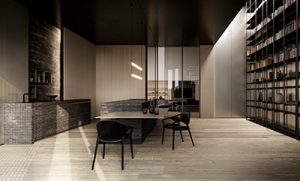
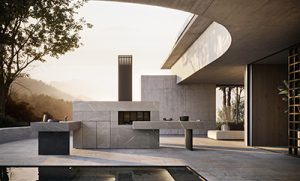
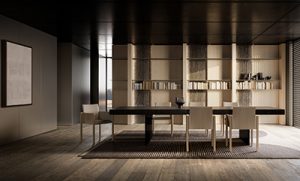
Modulnova defines an identity design language in which research, creative sensibility, engineering, and vision shape an integrated design system that spans collections and space architecture. Each element participates in a larger construction, in which the design generates continuity, measure, and visual intensity.
Culture of 
project
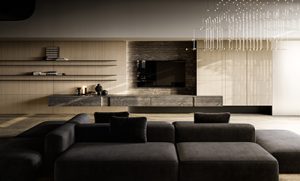
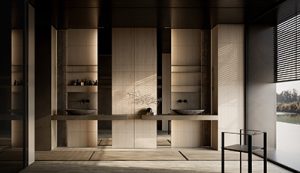
Kitchen, living, bathroom, accessories and architectural systems belong to the same vision. Proportions, details, surfaces, and materiality build a continuity that makes each collection part of a single design thought. Research, matter, engineering in continuous evolution. An identity that takes shape in the architecture of space, where emotion becomes
part of the design.
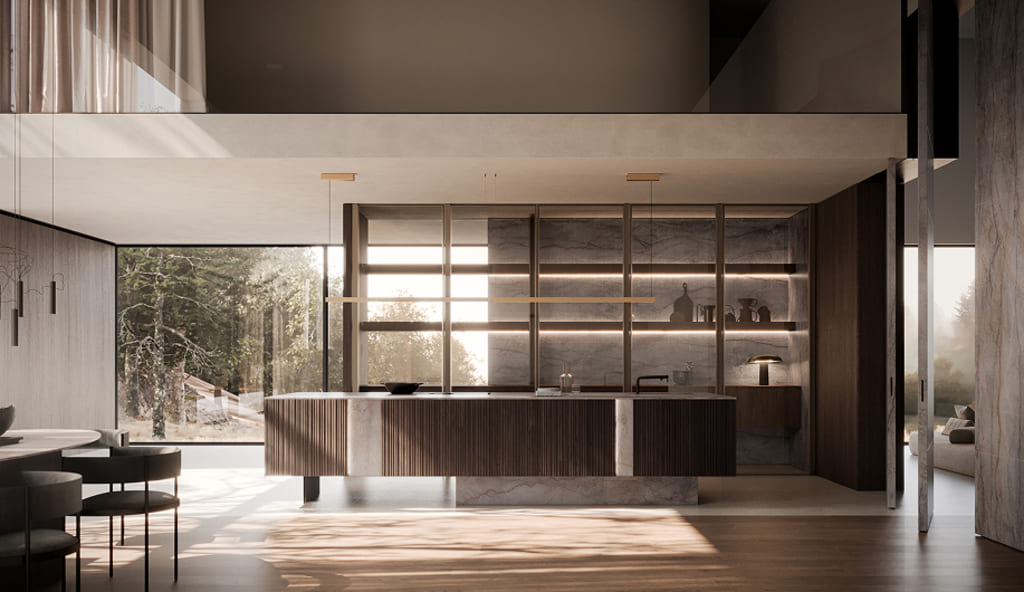
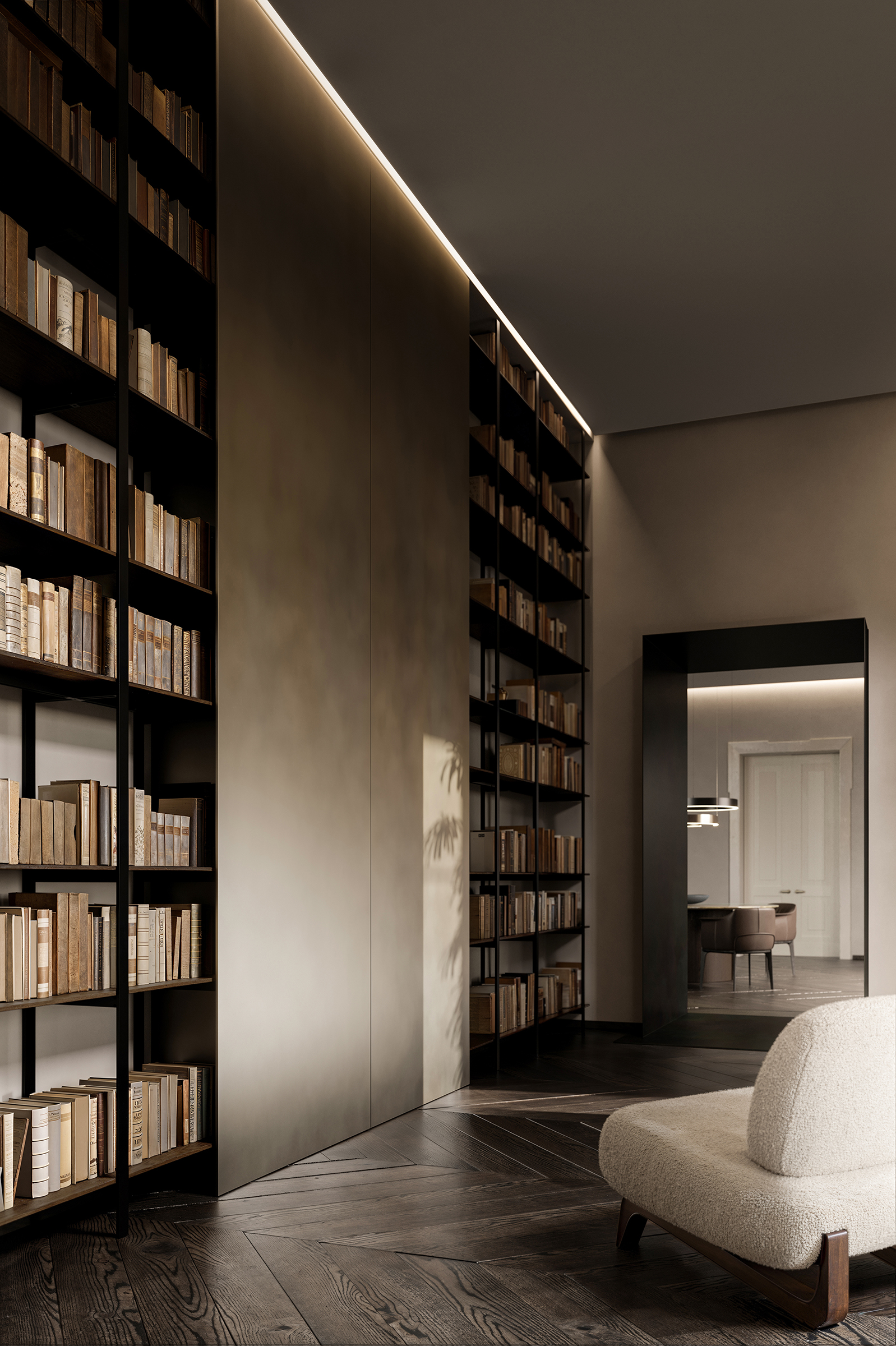
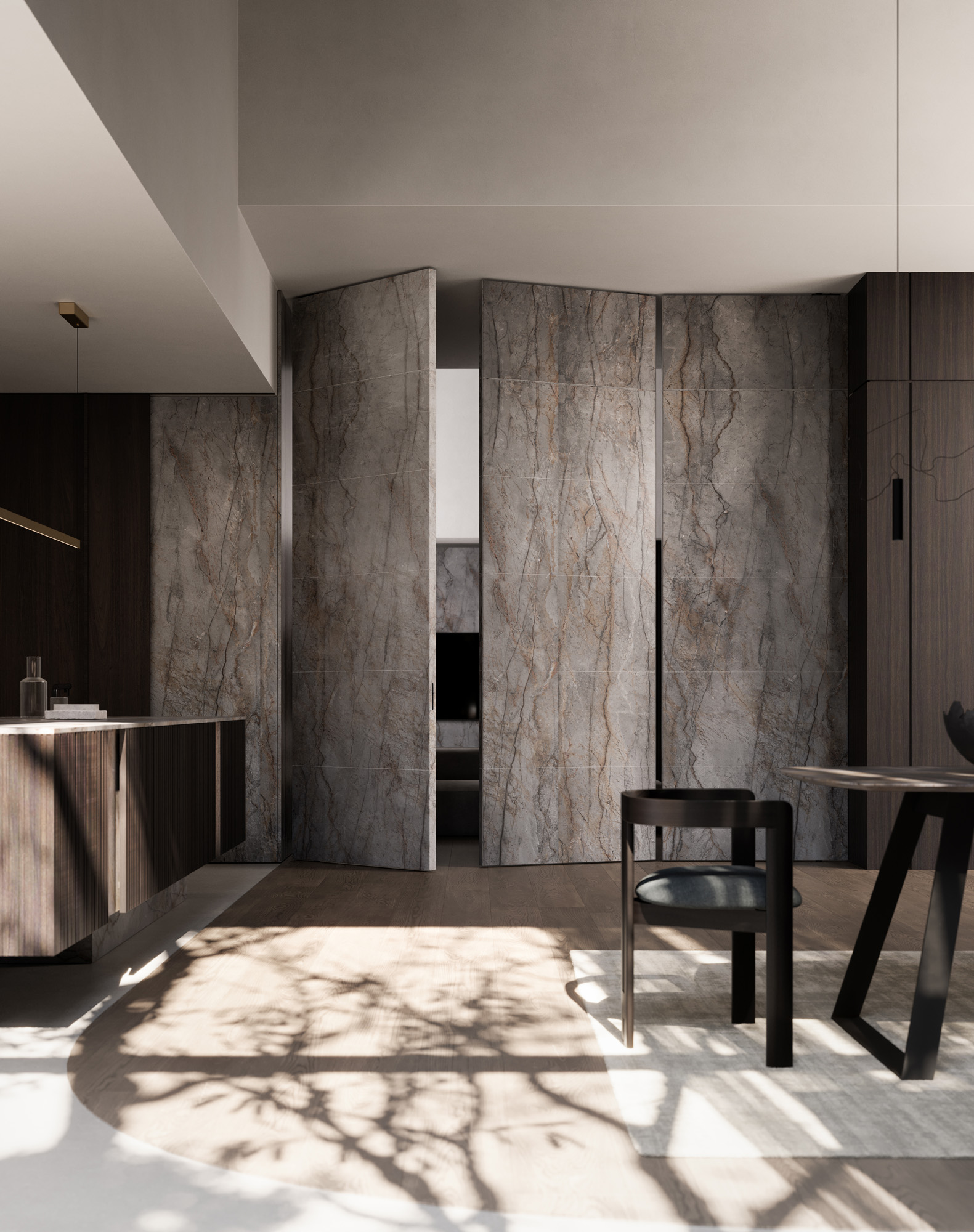
Continuity runs through the rooms, connecting woods, metals, glass and stone in a calibrated color sequence of opaque, reflective and layered surfaces.
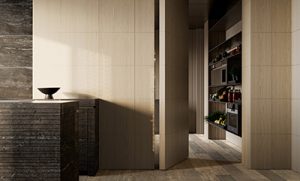
Thresholds dissolve, passages integrate, perspectives open to unexpected depths.
Integrated Design
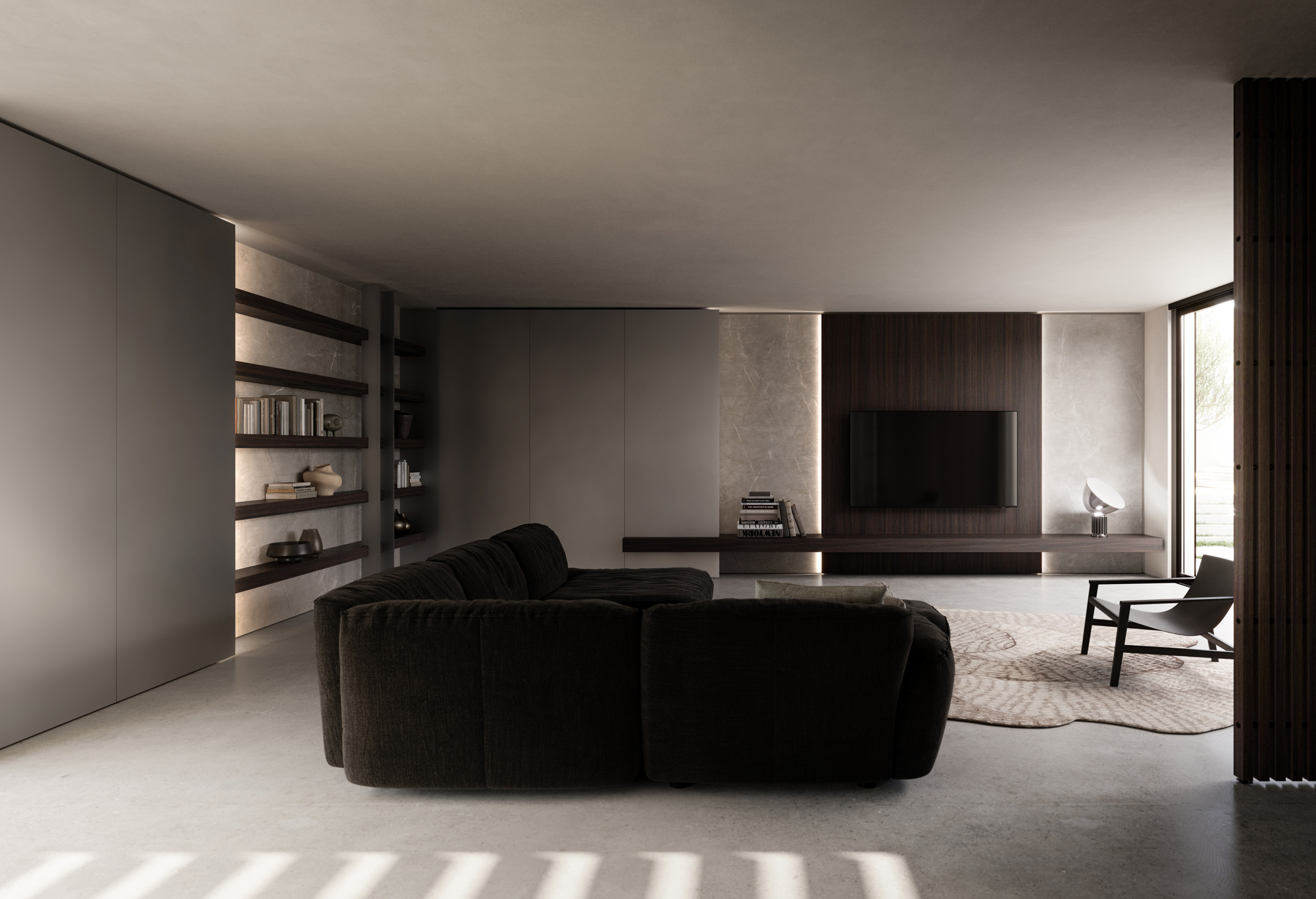
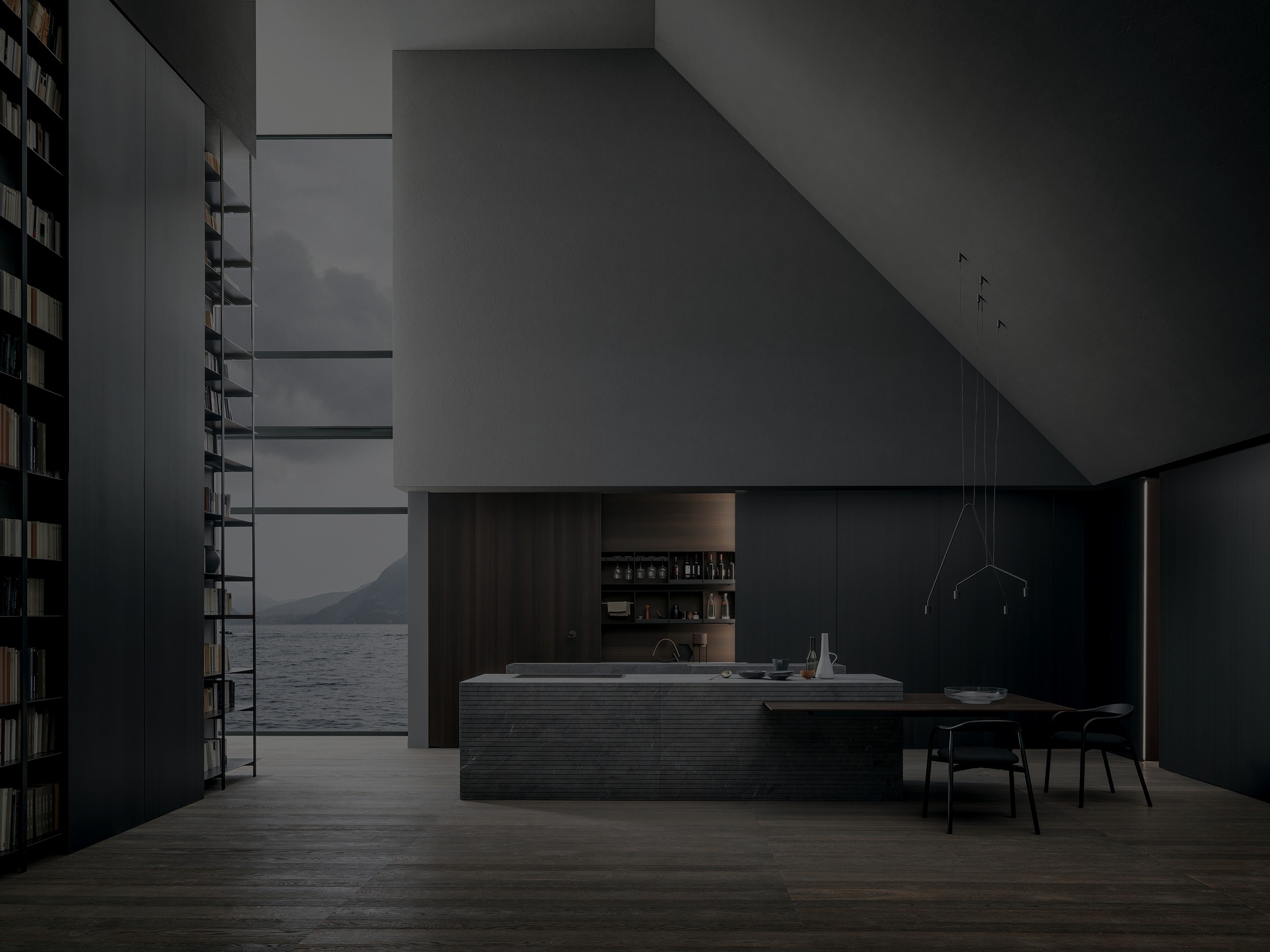
Design transcends the object dimension and becomes architecture: it organizes the layout, unites rooms, accompanies the eye, measures solids and voids, builds rhythm and depth.
Environments connect, functions dialogue, the home gains unity, intensity and a more evolved perceptual quality.
Material Culture
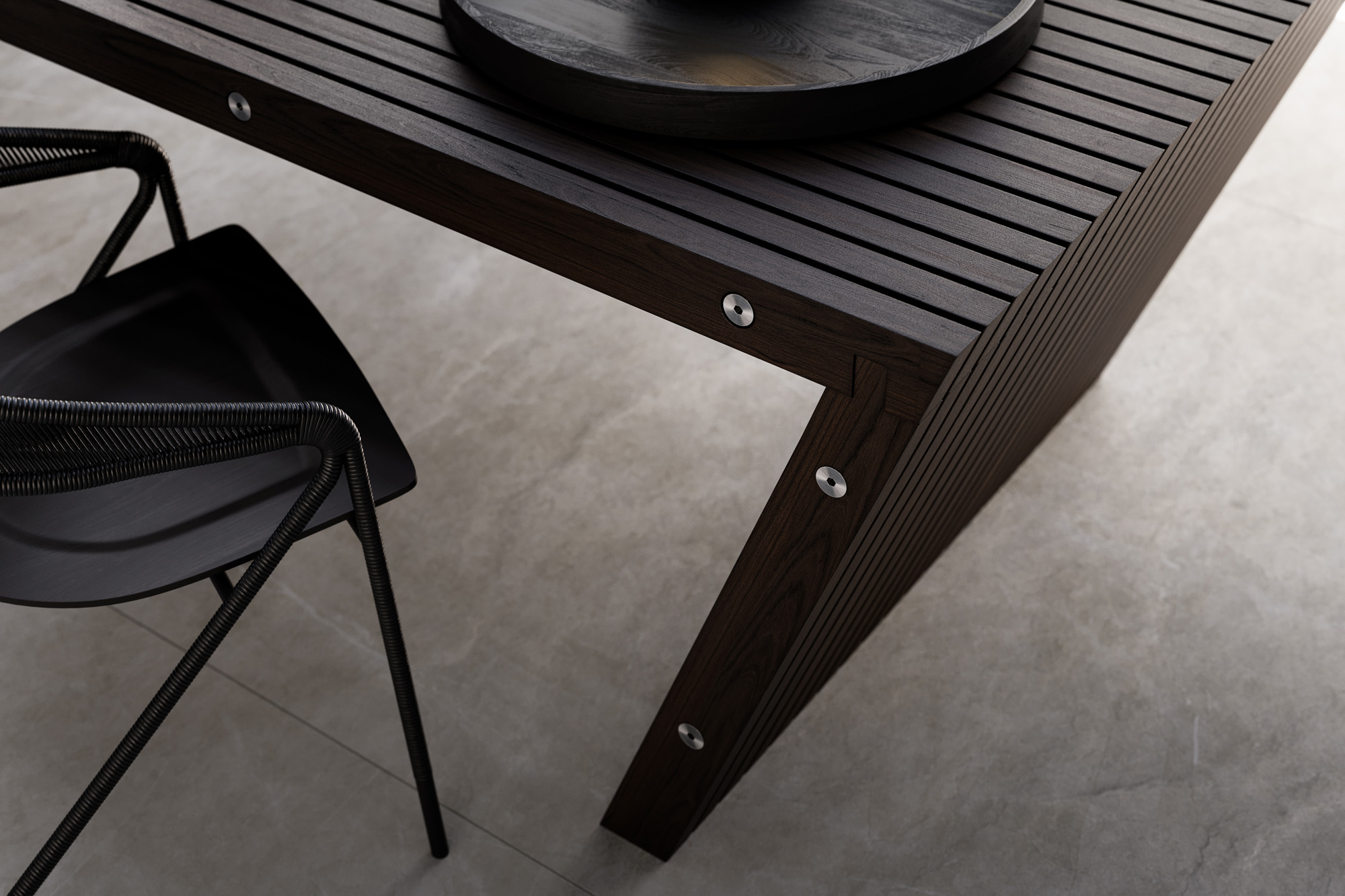
The breadth of Modulnova's design vocabulary stems from a deep relationship with the material.
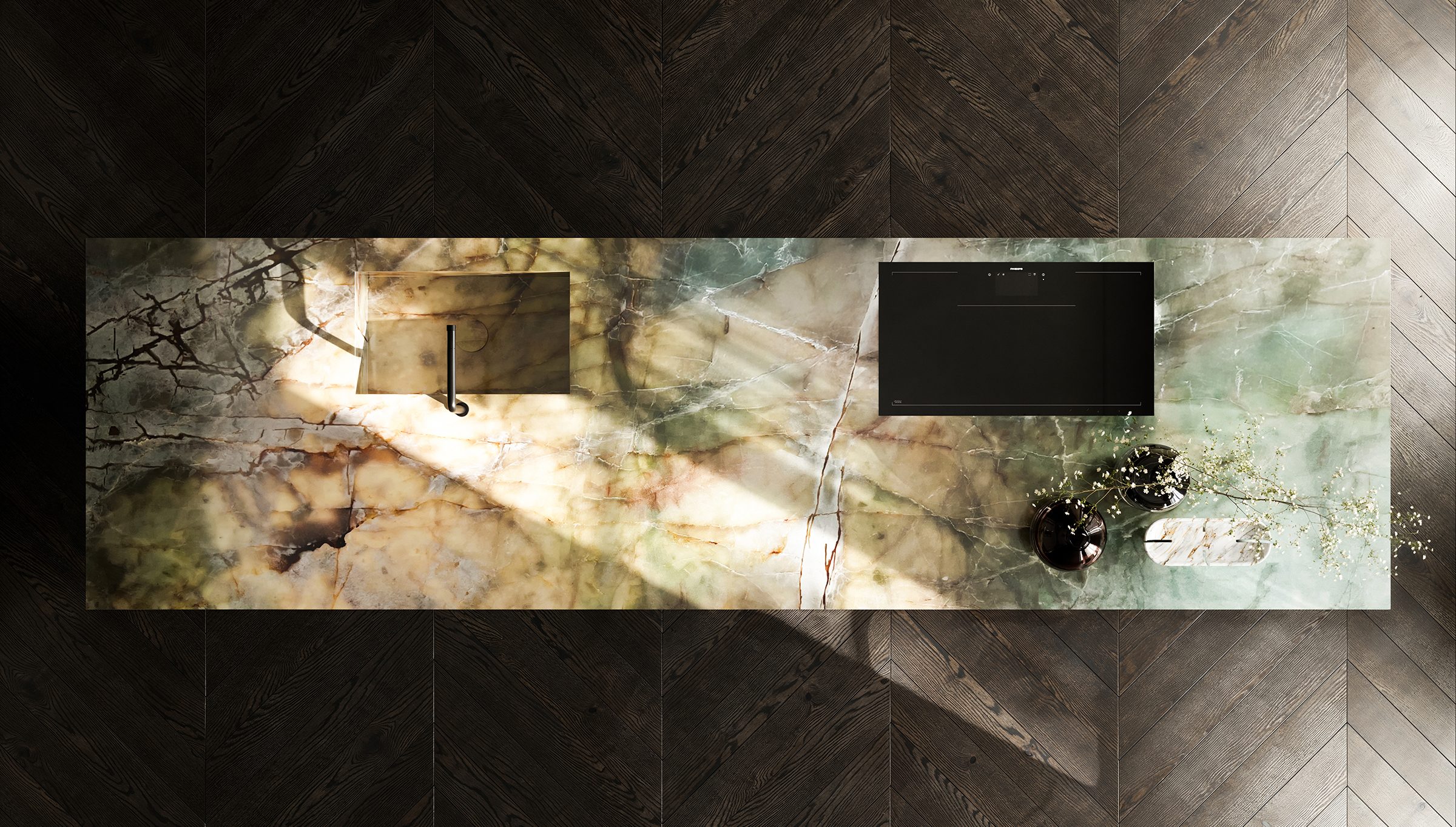
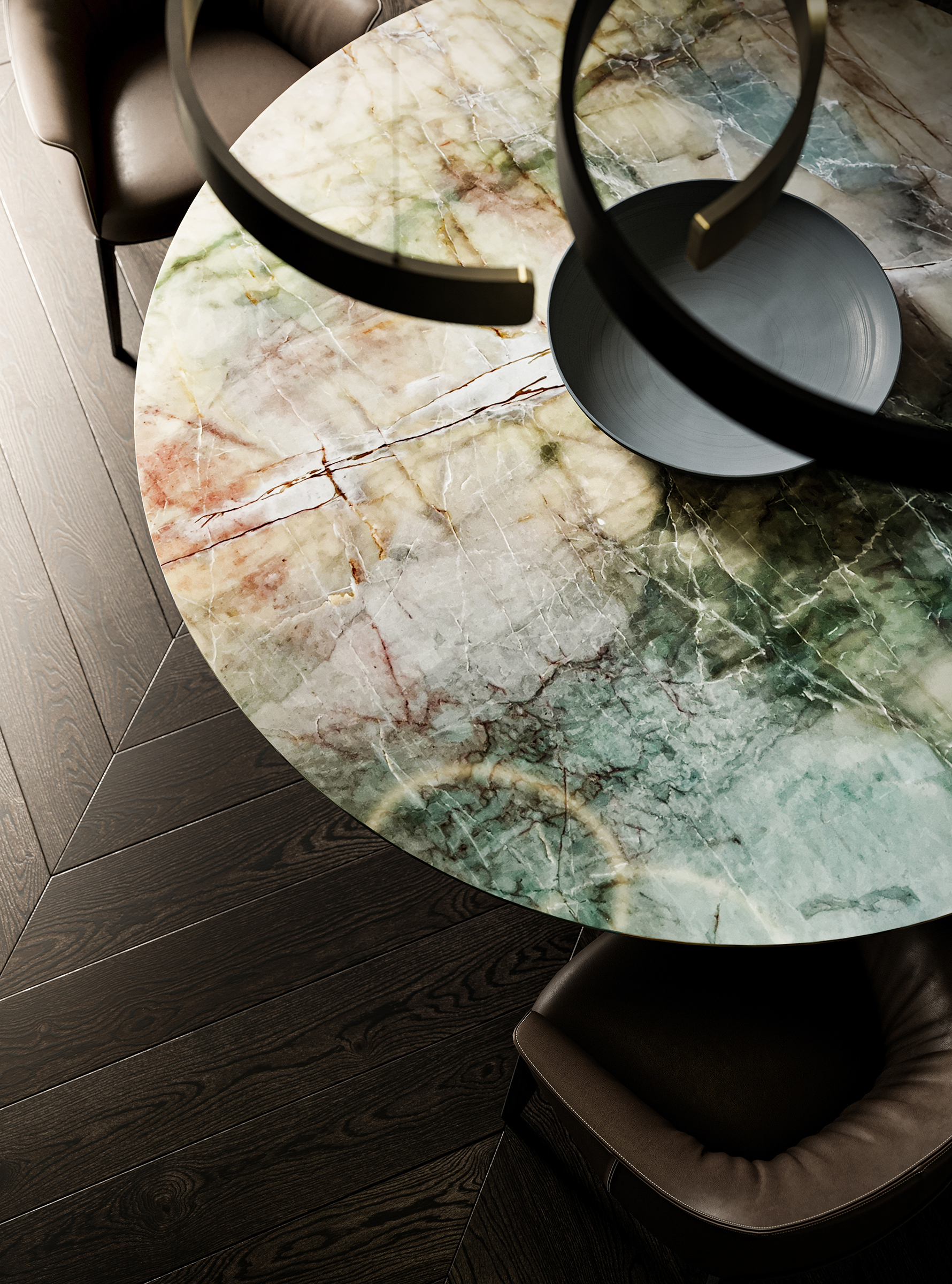
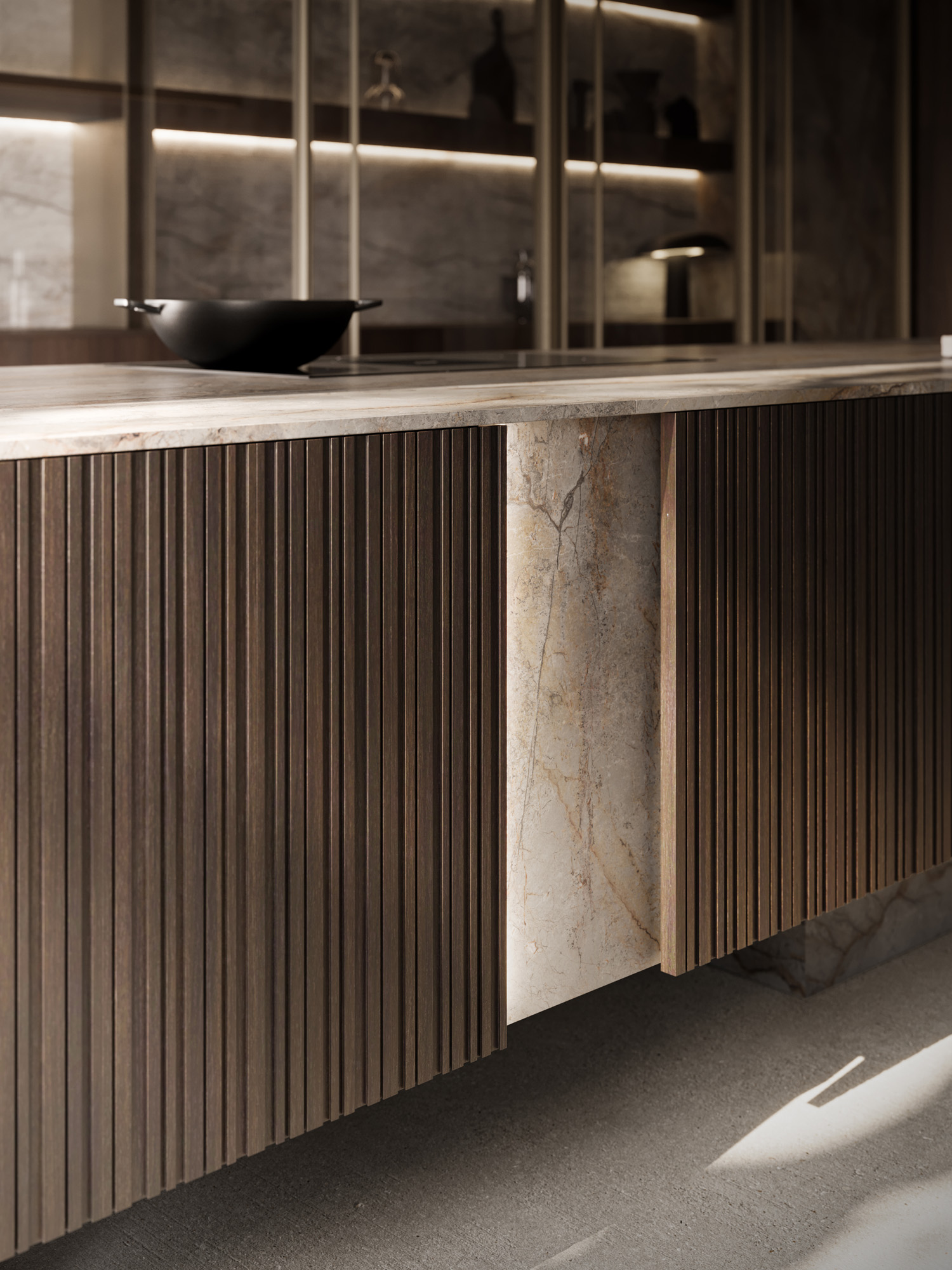
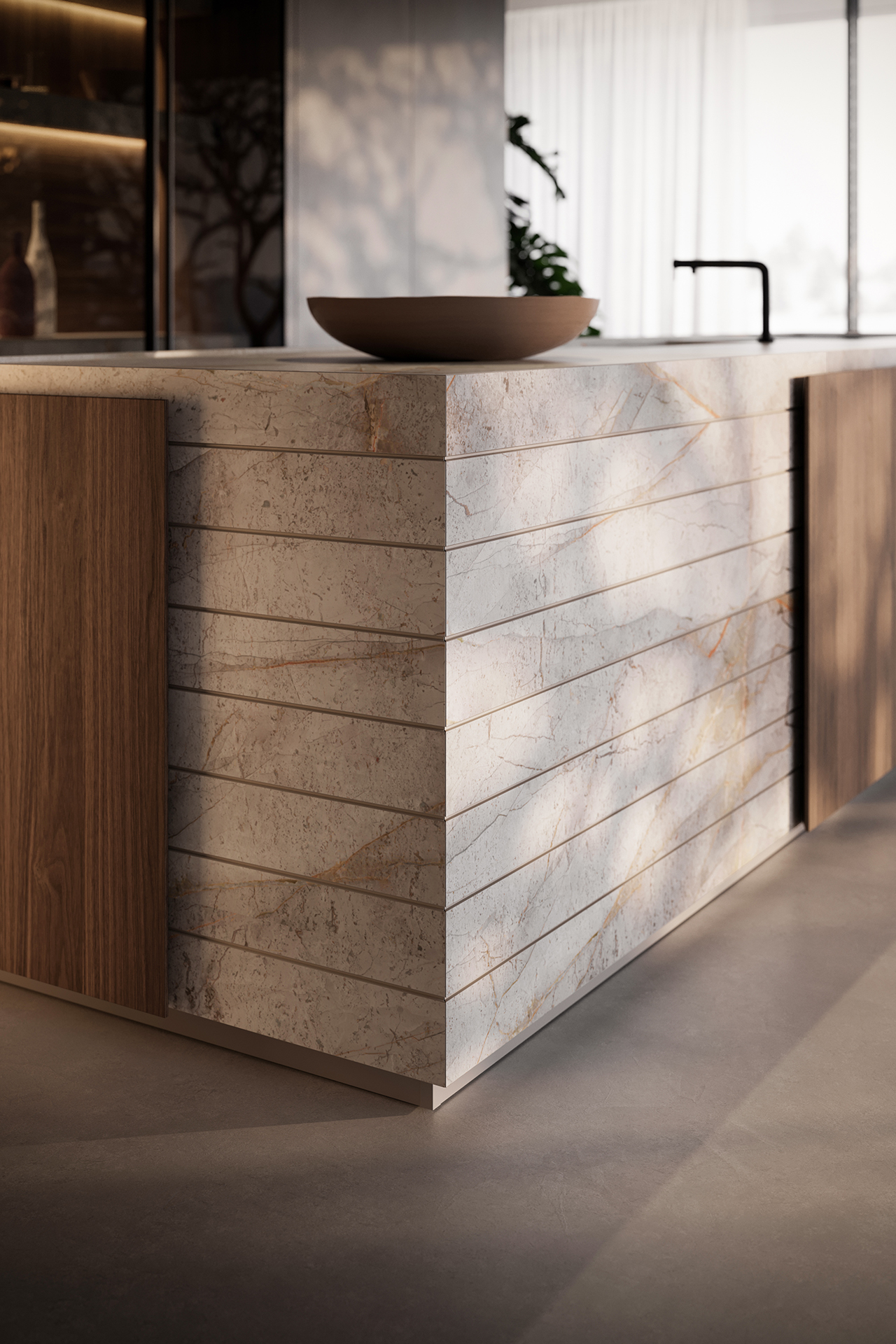
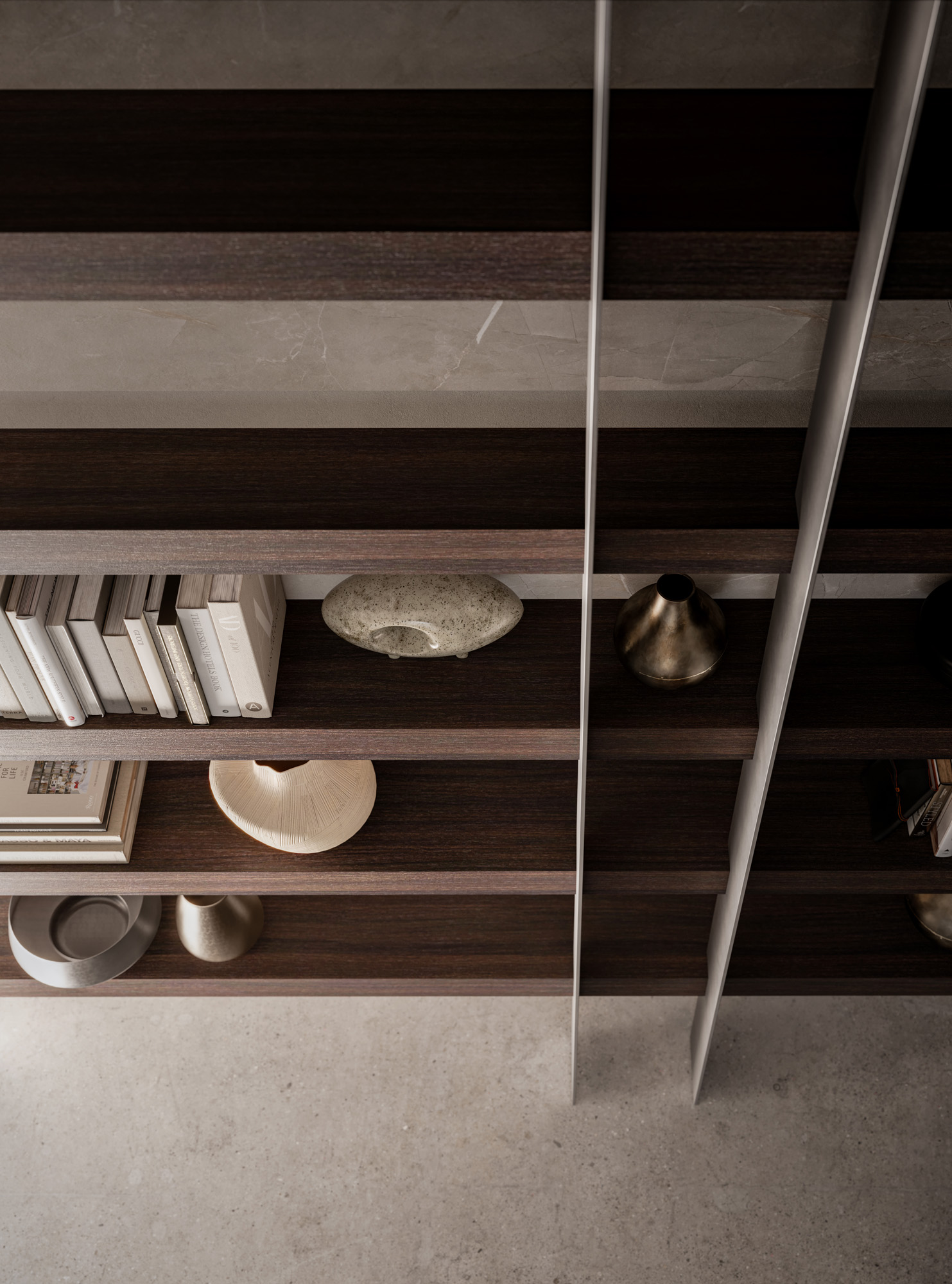
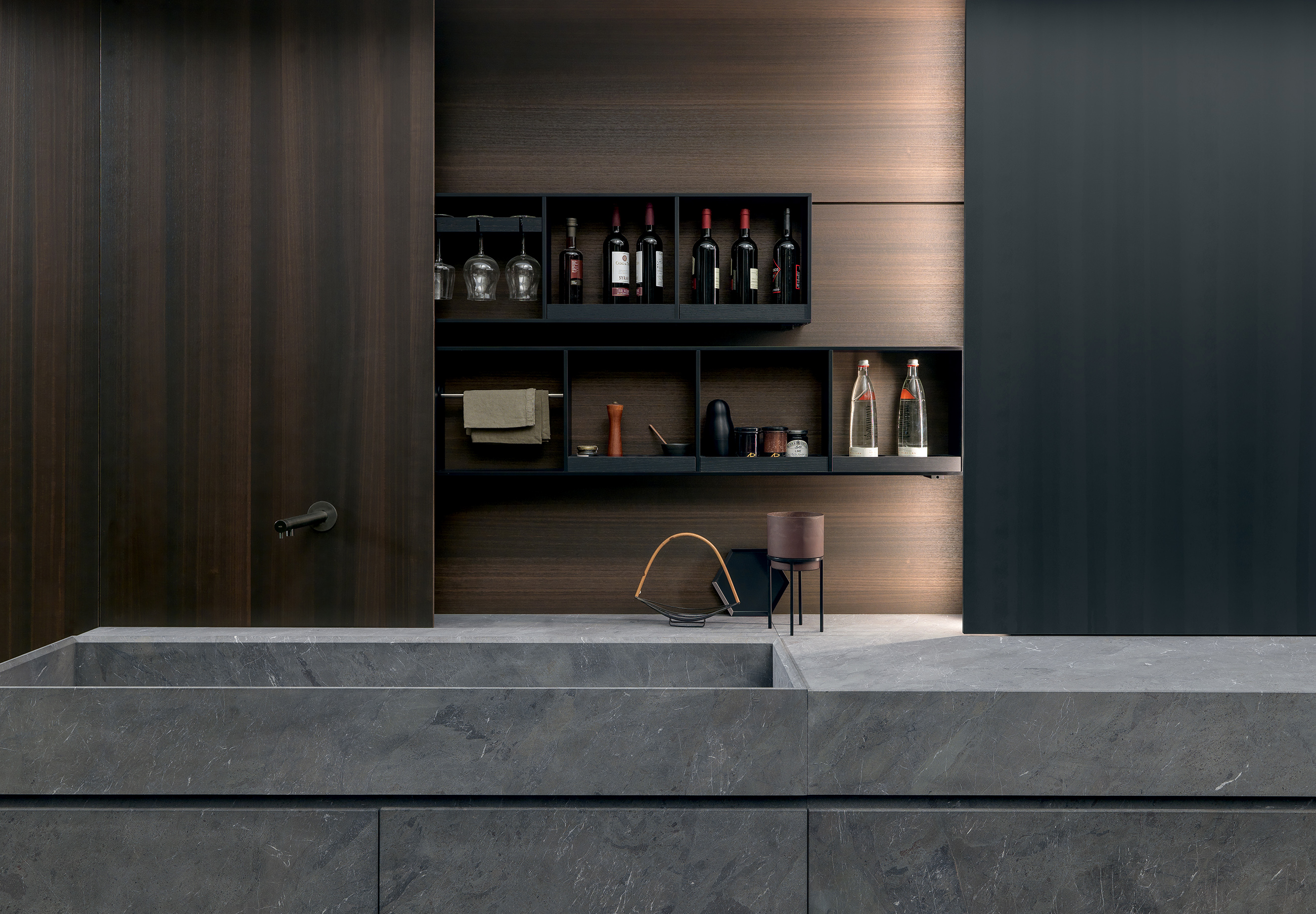
Stones, woods, metals, resins, limes, lacquers, glass and evolved surfaces enter into an articulated system built to give the project continuity, precision and freedom of expression. A set of about 500 materials and finishes, many developed exclusively, expands compositional possibilities and reinforces coherence between different environments, functions and collections. Underlying this system is a material sensibility that translates into research, observation and executive mastery. Modulnova studies the material in its visual intensity, its depth, its vibration, its ability to build atmosphere and architectural presence. The research concerns the selection, processing and development of surfaces, with the aim of preserving their identity, perceptive quality and design precision.
This focus also extends to technology. Research on stone becomes a starting point for the co-development of materials such as stoneware, Milltech and laminate, designed to faithfully restore tone, texture, layering and presence of the original material. Technology thus enters the service of the project, making possible a broader material continuity and greater application freedom. It is in this balance between sensitivity, workmanship and innovation that the material becomes an instrument of transversality. Different surfaces can dialogue with each other, adapt to specific uses and performances and maintain the same expressive intensity. The project thus acquires coherence, depth and continuity through the entire space.
450 materials
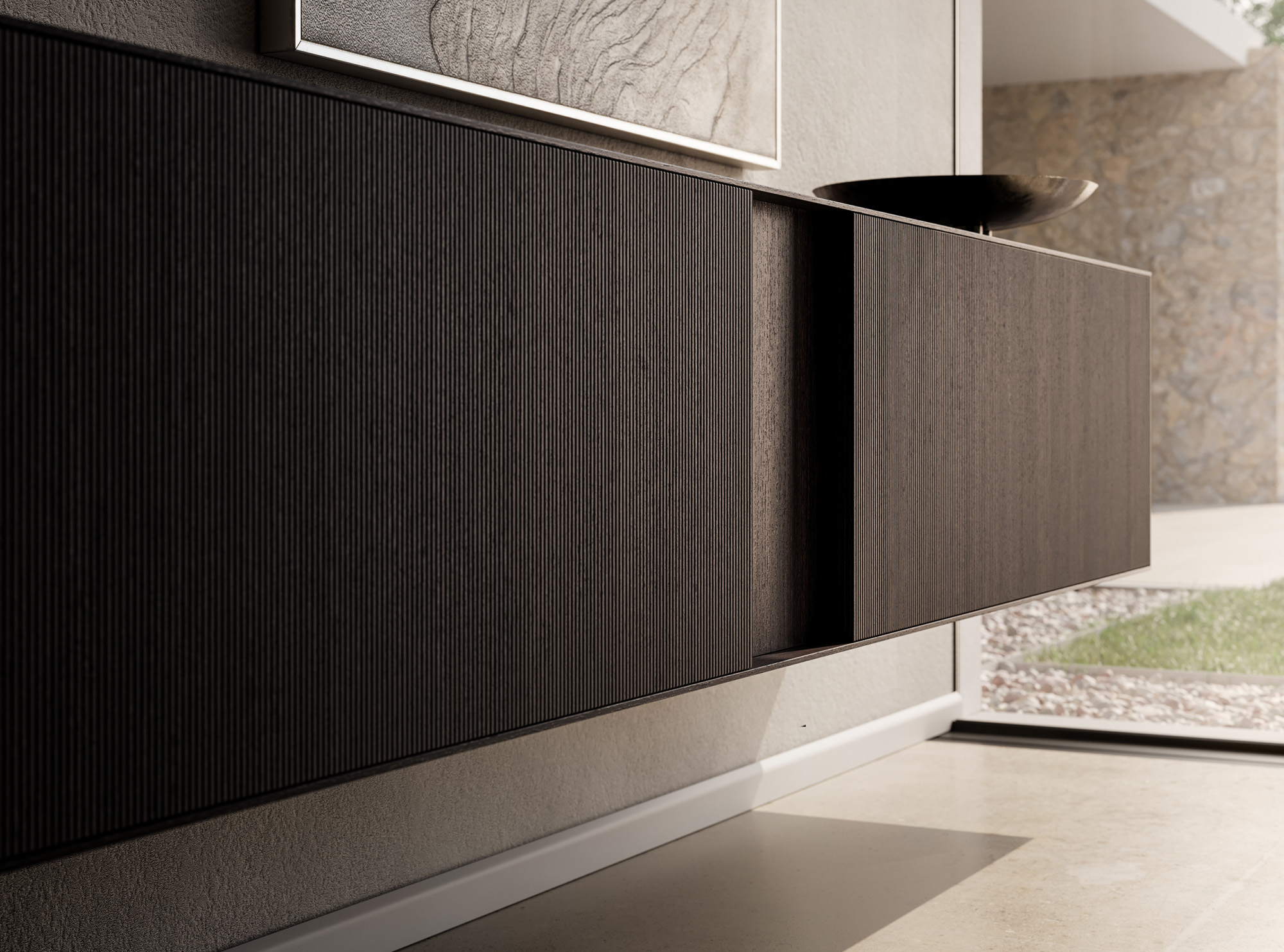
and
finishes
01/08
Experimentation 
in the DNA
The Modulnova project overcomes the traditional limits of space configuration through research that opens up bold solutions and new compositional freedoms. Matter, architecture and technological research are integrated in a system capable of adapting volumes, amplifying storage and taking the surface beyond the usual size.
Research and experimentation drive the evolution of the project.
From materials to technologies to the creative laboratory, discover the path that transforms intuition and development into new design freedom.
Connected Spaces
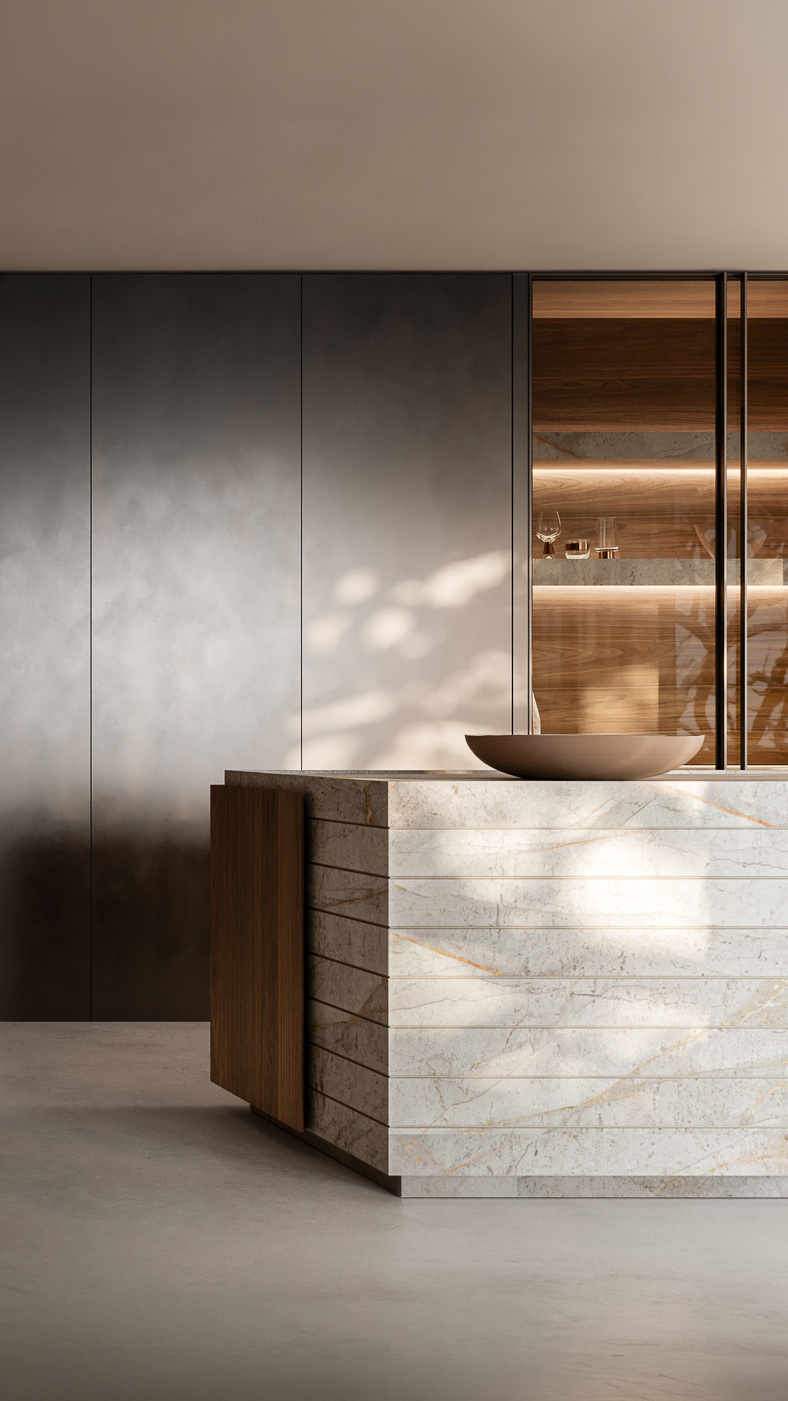
Continuity takes shape as a design possibility. Collections, systems, materials and finishes enter into the same construction, creating relationships between environments and giving the space a unified reading. The modular breadth and transversality of the system allow the project to develop with freedom and precision. Surfaces continue, materials recall each other, elements connect. The space gains unity, rhythm, and depth, and each step contributes to strengthening the continuity of the whole.
Integrated 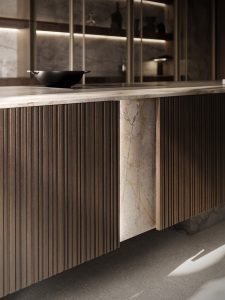 Light
Light
Light completes the language.
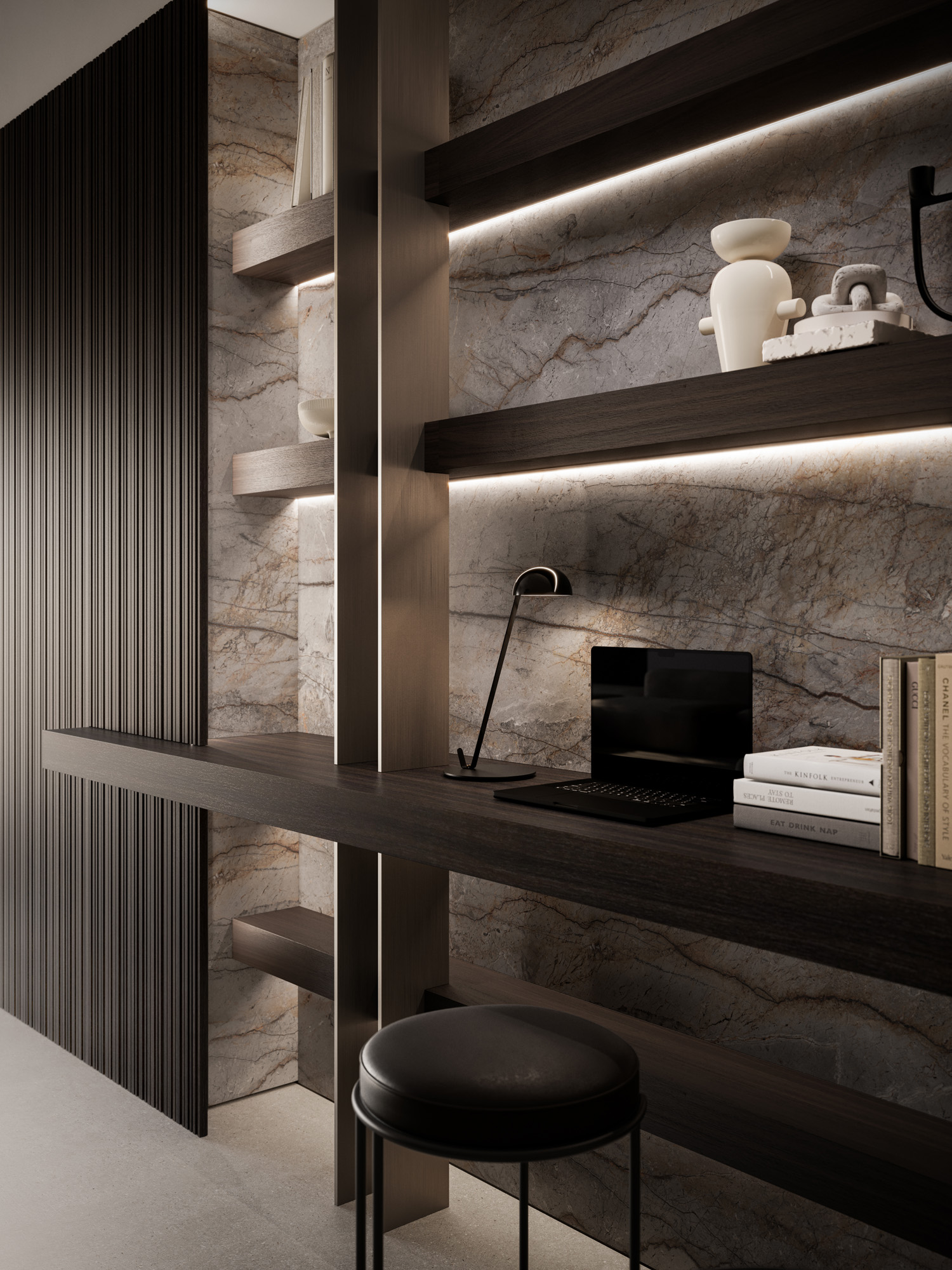
Integrated into systems, studied in relation to surfaces and depths, it accompanies the design of elements and intensifies their presence. It enhances materiality, measures proportions, builds atmosphere. Light participates in the identity of the project because it reveals its character and amplifies its perceptual quality, orienting the space toward an authentic condition of well-being.
Vision of beauty
The project constructs a spatial experience through solutions conceived as architectural statements. Form arises from the relationship between volumes, matter and light. An integrated design system connects the elements and builds a continuous language. Matter is intensified, light passes through surfaces and reveals their depth. Architecture gains presence. From this tension emerges a dimension that engages and envelops, creating a deep connection between the space and those who inhabit it.
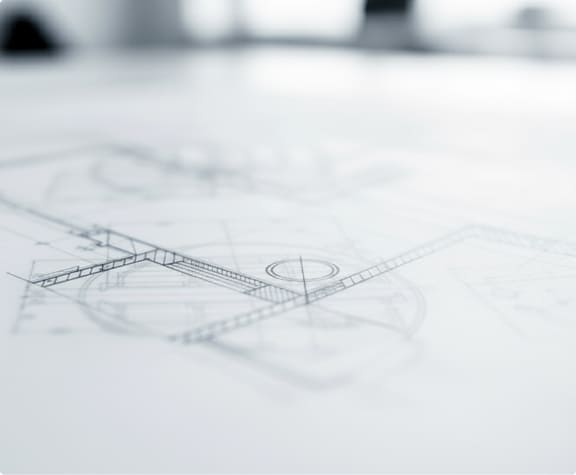
Architects
Designed for those who design.
Tools, resources, and dedicated support for space designers.From choosing systems to materials to documentation.
Downloads
All MediaMedia Center

Subscribe to
our newsletter
Loading
Loading